
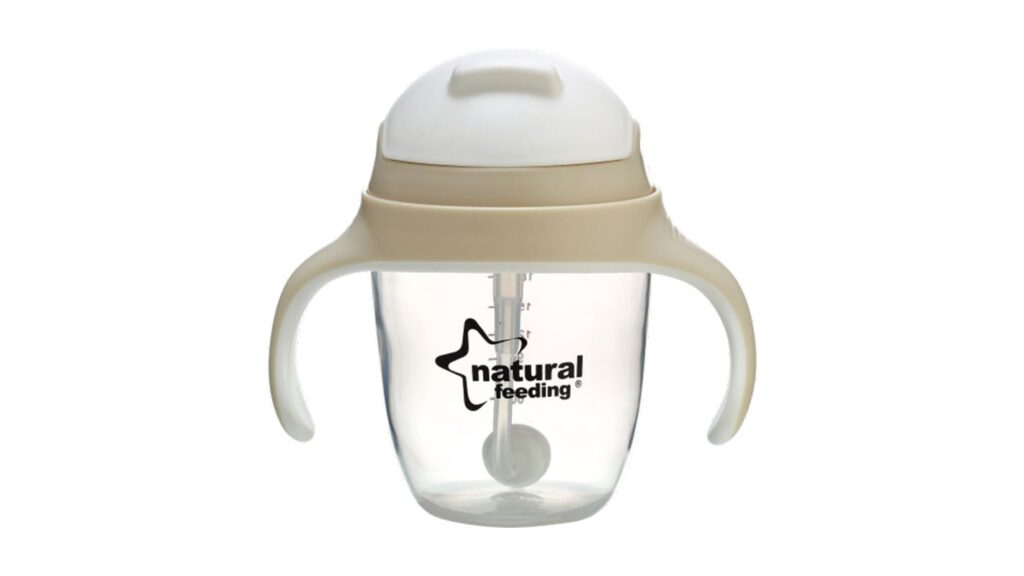
Tritan vs PPSU for Kids’ Bottles & Sippy Cups: A Comparison
If you are developing a cups-and-bottles range, you will be offered two premium plastics: Tritan and PPSU. Both replaced polycarbonate […]

If you are developing a cups-and-bottles range, you will be offered two premium plastics: Tritan and PPSU. Both replaced polycarbonate […]
Ask a supplier “how do you control quality?” and you will usually hear about a final inspection and a certificate.
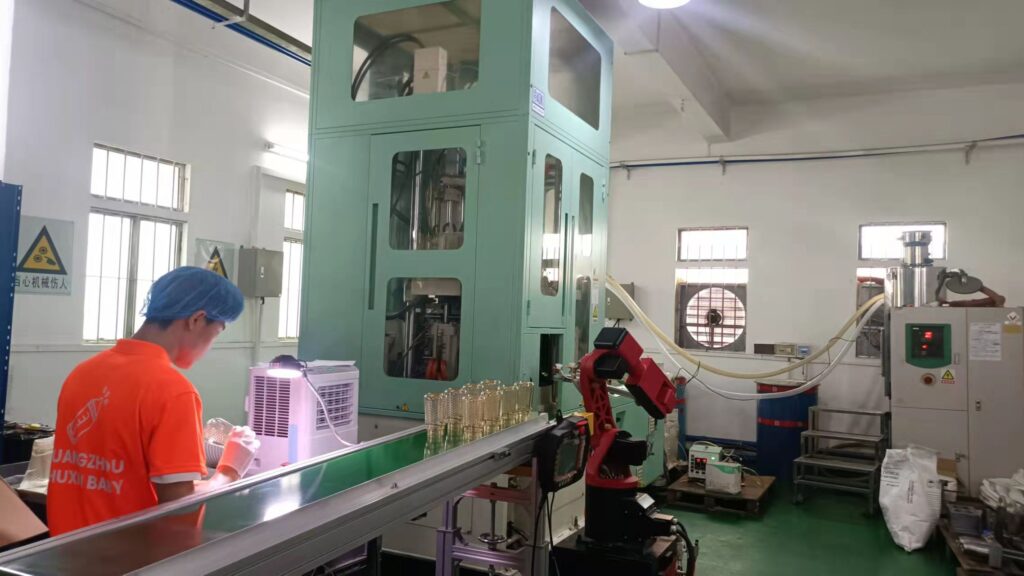
Most buyers never see the plant that makes their product. They see a quotation, a sample and a tracking number.
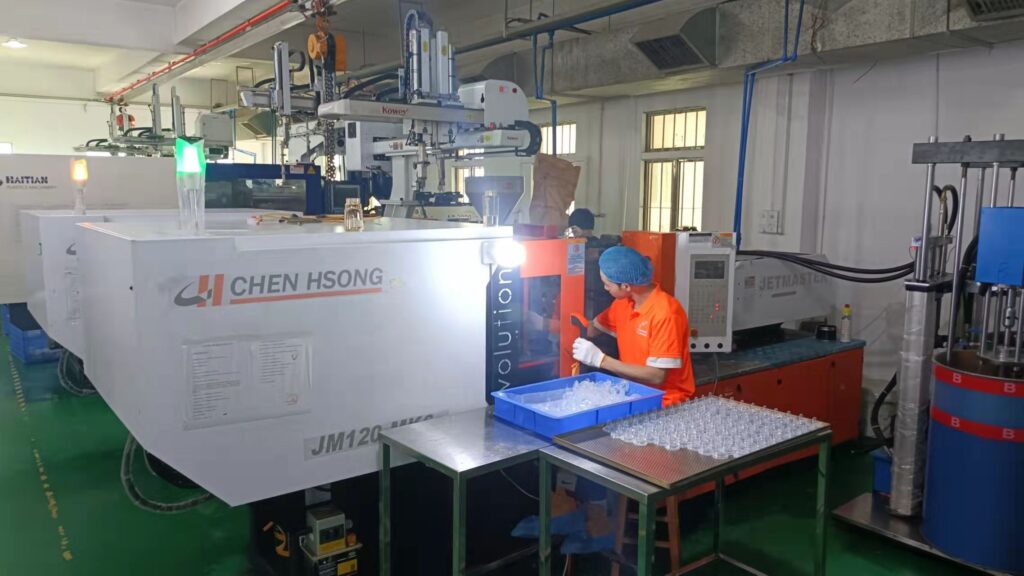
Understanding how a baby bottle is actually made changes the questions you ask a supplier. Once you know what happens
Food-contact testing is where compliance files are won or lost. A certificate that says “food grade” tells a retailer nothing;
Most importers of baby bottles know they need FDA-related documents, then discover—usually at the port or in a retailer’s onboarding
Selling baby bottles into Europe means navigating two different rulebooks that suppliers often blur together: drinking-equipment standards such as EN
“Is it FDA approved?” is the first question many US buyers ask a baby bottle factory—and it is the wrong
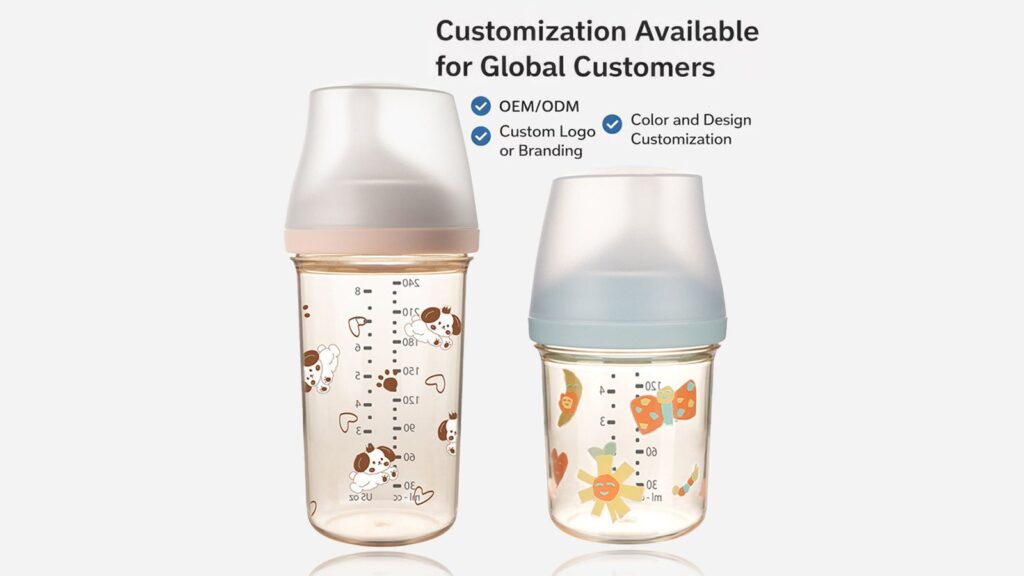
Sampling is the cheapest stage of a baby bottle project and the one that decides whether the rest of the
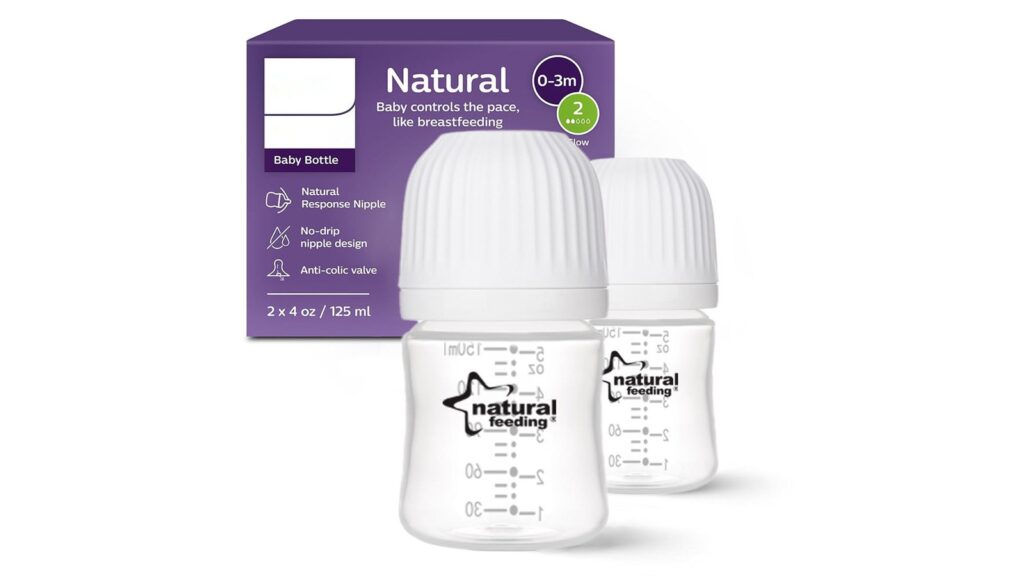
Choosing a supplier from a catalogue and a few emails is a gamble. In baby feeding products, the cost of